





Preparing for Hajj 2027: A Practical Guide for Pilgrims from India
Hajj 2027 expected dates, routes from India, a 9 to 12 month timeline, the days of Hajj and what to ask any Hajj operator before you book.
Hajj is the fifth pillar of Islam and, for many families, the journey of a lifetime. If you hope to perform Hajj in 2027, the time to begin preparing is now: your documents, your health, your finances and, above all, your heart. This guide is a starting point. The official Hajj schedule and India's Hajj policy are announced each year, so please confirm the details before you commit.
Who must perform Hajj
Hajj is fard (obligatory) once in a lifetime on every adult, sane Muslim who is able: physically fit enough to travel and perform the rites, and financially able to meet the cost of the journey while leaving enough for the dependants at home. Allah says:
وَلِلَّهِ عَلَى النَّاسِ حِجُّ الْبَيْتِ مَنِ اسْتَطَاعَ إِلَيْهِ سَبِيلًا
Wa lillahi 'alan-nasi hijjul-bayti manistata'a ilayhi sabila: "Pilgrimage to the House is a duty owed to Allah by all people who are able to make their way there." (Qur'an 3:97)
Once these conditions are met, scholars advise not delaying Hajj without a valid reason.
Expected dates for Hajj 2027
Hajj 2027 falls in Dhul Hijjah 1448 AH. The Day of Arafah (9 Dhul Hijjah) is expected around 15 May 2027, with Eid al-Adha the following day. The exact dates depend on the sighting of the moon and the official Saudi schedule. Departures from India usually begin some weeks before Hajj, and the total time away varies by route and package.
Two routes from India
- The Haj Committee of India: the government route, through which the larger share of India's quota is usually allotted. Applications are invited online once a year, and when there are more applicants than seats, pilgrims are selected by a draw. Eligibility, reserved categories, costs and deadlines are set out in each year's guidelines, so follow the official announcements closely.
- Private Hajj group organisers: the rest of the quota goes to private tour operators registered with the Ministry of Minority Affairs. Their packages usually cost more and offer different choices of accommodation, duration and group size. Before paying any operator, ask to see their current registration for that Hajj year.
Quotas and policies can change from year to year. If you are unsure which route suits your family, speak to us about the options available for 2027.
A 9 to 12 month timeline
- Now (9 to 12 months ahead): check that your passport will remain valid well beyond your return, and renew it now if needed. Make your intention, set aside funds from halal income and start learning the rites.
- Health check: see your doctor, especially elders and anyone with diabetes, heart or blood-pressure conditions. Ask about required and recommended vaccines, and plan your medicines.
- Book your place: choose your route early, as places are limited. With Umrah with Ateeq, a Hajj 2027 seat is held with a deposit of ₹50,000 per person, with the balance payable as per the booking terms.
- 3 to 6 months ahead: attend Hajj training sessions, walk every day, buy and break in your footwear, and put your affairs at home in order.
- The final month: documents, vaccinations, packing and time with your family.
The days of Hajj at a glance
- 8 Dhul Hijjah: in Ihram, pilgrims go to Mina and spend the day and night there in prayer and remembrance.
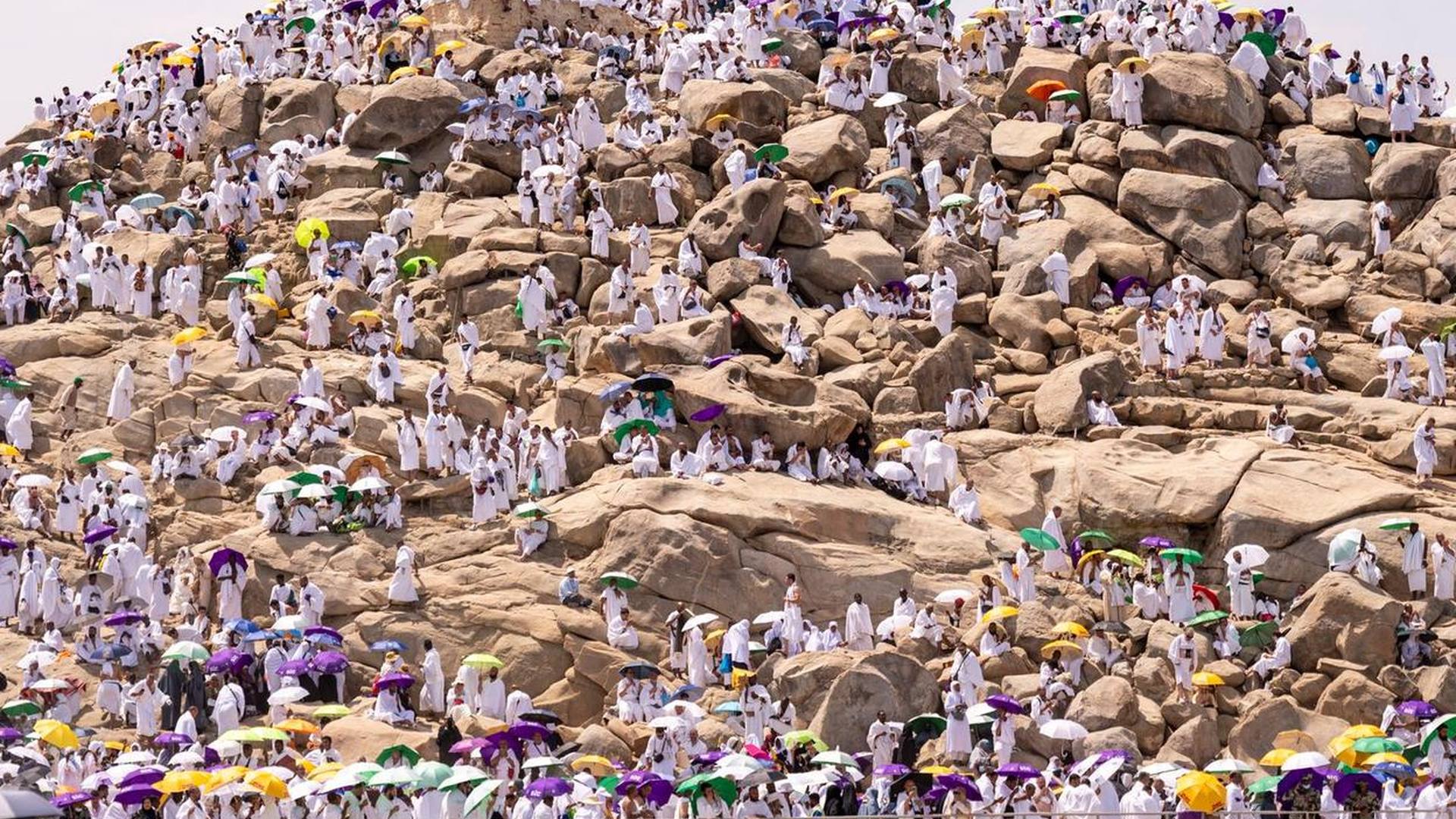
- 9 Dhul Hijjah, the Day of Arafah: the standing (wuquf) at Arafah from after midday until sunset is the essential pillar of Hajj. Prophet Muhammad ﷺ said, "Hajj is Arafah" (Tirmidhi, Abu Dawud). After sunset, pilgrims move to Muzdalifah, pray Maghrib and Isha together and spend the night there.
- 10 Dhul Hijjah: the stoning (Rami) of Jamrat al-Aqabah with seven pebbles, the sacrifice, Halq or Taqsir, and then Tawaf al-Ifadah and Sa'i in Makkah (Tawaf al-Ifadah may also be done on the 11th or 12th). In the Hanafi school, pilgrims performing Tamattu' or Qiran keep the order Rami, sacrifice, then Halq or Taqsir, so groups confirm when the sacrifice has been made.
- 11 to 13 Dhul Hijjah: in Mina, the stoning of all three Jamarat each day after midday. Pilgrims may leave on the 12th after the stoning, preferably before sunset, or stay for the 13th.
- Before leaving Makkah: Tawaf al-Wada, the farewell Tawaf.
Tamattu', Qiran and Ifrad
There are three ways of performing Hajj. In Tamattu', the pilgrim performs Umrah in the Hajj months, comes out of Ihram, and enters Ihram again for Hajj on 8 Dhul Hijjah; a sacrifice is required. In Qiran, Umrah and Hajj are performed in a single Ihram, also with a sacrifice. In Ifrad, the pilgrim performs Hajj alone and the sacrifice is not required. Most pilgrims from India perform Tamattu', which suits the longer stay before Hajj. Learn the details of your chosen type from a qualified scholar.
Preparing your body
Hajj involves a great deal of walking, often in intense heat: May in Makkah is very hot, and pilgrims can walk several kilometres a day between the camps, the Jamarat and the Haram. Start walking daily now and build up gradually, in the footwear you will use. Keep a list of your medicines with their generic names, carry your doctor's prescription and pack enough supply in your hand luggage. Get into the habit of drinking water regularly, use an umbrella in the sun and rest whenever you can.
Preparing your heart
- Make sincere repentance (tawbah) and renew your intention to go only for the pleasure of Allah.
- Settle your debts, or make clear arrangements for them, and return anything held in trust.
- Ask forgiveness of anyone you may have wronged, and make peace within the family.
- Write your wasiyyah (Islamic will) and tell your family where your important papers are.
- Prepare yourself for patience. Allah tells pilgrims that there should be no obscenity, no wrongdoing and no quarrelling during Hajj (Qur'an 2:197).
Questions to ask any Hajj operator
- Can you show us your current registration for Hajj 2027?
- Where will we stay in Makkah, near the Haram or in Aziziyah? How far is it, and how will we get to the Haram?
- Where is our camp in Mina, how many people share a tent, and what bedding and cooling are provided?
- What meals are included, and is the food suitable for elders?
- How will we travel between Mina, Arafah and Muzdalifah?
- Who is the group leader, and does a scholar travel with the group?
- How is the sacrifice arranged and confirmed?
- Exactly what is included (visa, flights, Madinah stay, ziyarat, transport), what costs extra, and what are the payment and cancellation terms in writing?
Hajj is a journey of the heart as much as of the body. Whichever route you choose, start early, ask questions and travel with people you trust. To talk through the options available for 2027, contact our team in Hyderabad or Nizamabad, or see our Hajj and Umrah packages.

Leave a comment
Your email address will not be published. Required fields are marked *