





Ziyarat Places in and Around Makkah: History and Etiquette
Jabal al-Nour, Jabal Thawr, Mina, Muzdalifah, Arafat and Makkah's historic mosques: what happened there and how to visit them respectfully.
Between prayers in Masjid al-Haram, many pilgrims spend half a day visiting the historic places in and around Makkah. These visits are not part of the rites of Umrah, and the places carry no special ritual reward of their own. But seeing where the revelation began, where the Hijrah set out and where Hajj is performed brings the Seerah to life, and leaves many pilgrims longing to return for Hajj. Here is what you will usually see, with brief and reliable history.
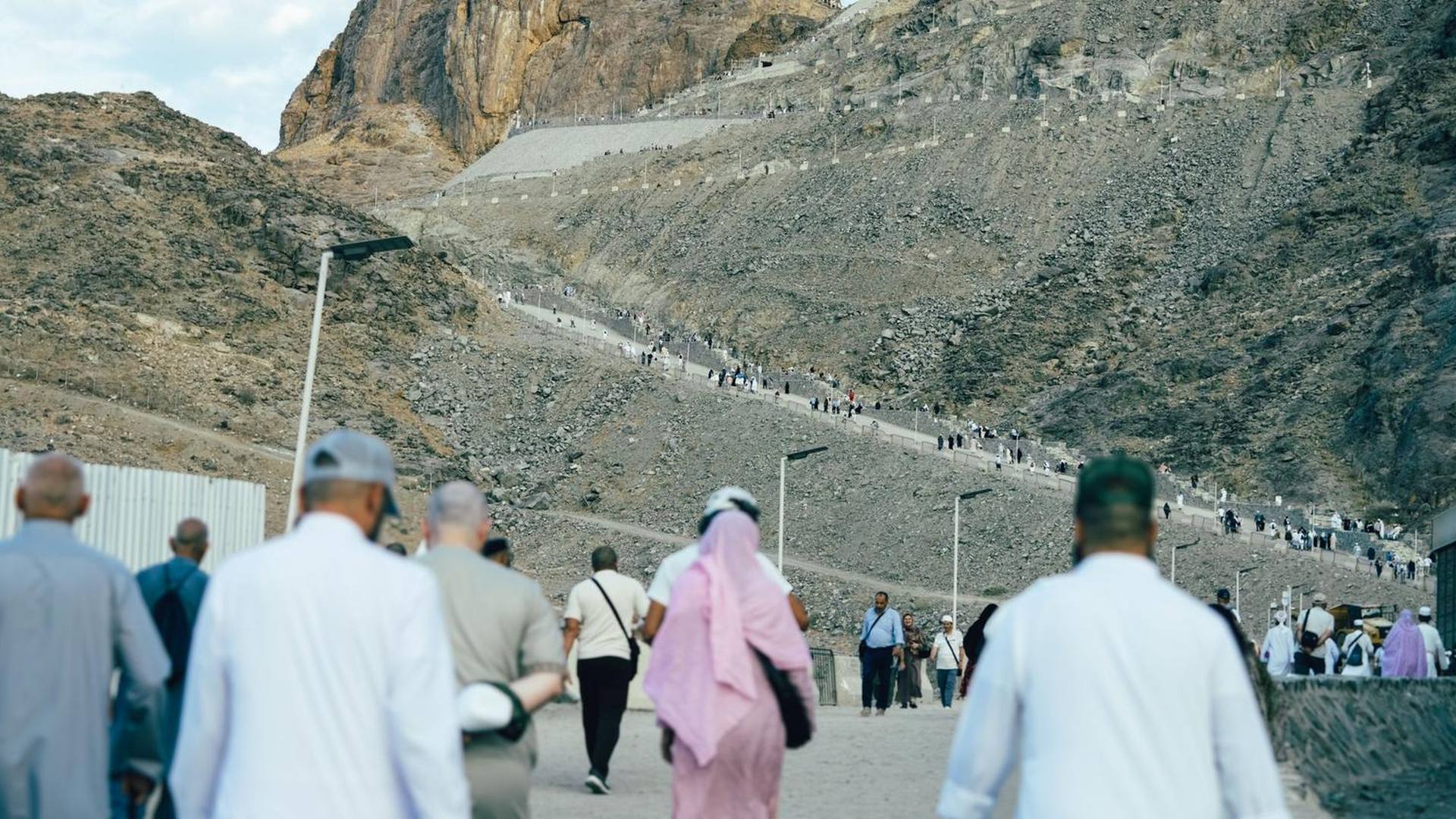
Jabal al-Nour and the Cave of Hira
A few kilometres north-east of Masjid al-Haram rises Jabal al-Nour, the "Mountain of Light". Near its summit is the Cave of Hira, where the Prophet Muhammad ﷺ used to retreat for worship before prophethood, and where the first revelation came to him: the opening verses of Surah al-'Alaq, "Read in the name of your Lord who created" (Qur'an 96:1–5; Sahih al-Bukhari).
The climb is steep, with steps for much of the way, and can take an hour or more. It is not a rite and is not required. Elders, and anyone with heart, knee or breathing problems, are better off seeing the mountain from below.
Jabal Thawr
To the south of Makkah stands Jabal Thawr. In a cave near its top, the Prophet ﷺ and Abu Bakr al-Siddiq (may Allah be pleased with him) hid for three nights at the start of the Hijrah to Madinah (Sahih al-Bukhari). The Qur'an recalls it: "...the second of the two, when they were in the cave and he said to his companion, 'Do not grieve; Allah is with us'" (Qur'an 9:40). The climb is longer and harder than Jabal al-Nour, so most groups see it from the road.
Mina and Masjid al-Khayf
Mina is a valley a few kilometres east of Masjid al-Haram, known for its vast city of white tents. During Hajj, pilgrims stay here on the 8th of Dhul Hijjah and again from the day of Eid, stoning the Jamarat over the following days. According to a report from Ibn 'Abbas, the stoning recalls Prophet Ibrahim (peace be upon him) rejecting Shaytan. Outside the Hajj season the tents stand empty and buses usually drive through.
In Mina, near the smallest Jamrah, is Masjid al-Khayf. The Prophet ﷺ prayed here during his Hajj; the Companion Yazid ibn al-Aswad described praying Fajr behind him in Masjid al-Khayf (Sunan al-Tirmidhi). Whether it is open to visitors outside Hajj varies.
Muzdalifah
Between Mina and Arafat lies Muzdalifah, where Hajj pilgrims spend the night after the Day of Arafah under the open sky, pray Maghrib and Isha together, and remember Allah at al-Mash'ar al-Haram, as the Qur'an instructs (2:198). Many collect their pebbles for the stoning here. On a ziyarat tour you pass through it on the way to Arafat.
Arafat, Jabal al-Rahmah and Masjid Nimrah
The plain of Arafat, roughly 20 kilometres from Makkah, is where pilgrims stand in prayer on the 9th of Dhul Hijjah, the most important day of Hajj; the Prophet ﷺ said, "Hajj is Arafah" (Sunan al-Tirmidhi). Within it is Jabal al-Rahmah, a small hill with a white pillar on top. The Prophet ﷺ stood near the rocks at its foot and said that the whole of Arafat is a place of standing (Sahih Muslim).
Climbing the hill is not a Sunnah and carries no special virtue. Please do not write names on the pillar or rocks, rub them or tie cloth to them. Popular stories that Adam and Hawwa (peace be upon them) met here are not established by authentic sources.
On the western edge of Arafat stands Masjid Nimrah, near where the Prophet ﷺ delivered his Farewell Sermon and led Dhuhr and Asr together on the Day of Arafah. The Hajj sermon is still given here each year. Part of the mosque lies outside the boundary of Arafat, and this is marked inside the building. Access outside the Hajj season varies.
Jannat al-Mu'alla
Jannat al-Mu'alla is the historic cemetery of Makkah, a short distance north of Masjid al-Haram. Here lies Khadijah (may Allah be pleased with her), the first wife of the Prophet ﷺ and the first person to accept Islam, along with many others from the early history of Makkah. Most graves are unmarked. Visiting graves to remember death and pray for the dead is Sunnah, and the Prophet ﷺ taught these words (Sahih Muslim):
السَّلَامُ عَلَيْكُمْ أَهْلَ الدِّيَارِ مِنَ الْمُؤْمِنِينَ وَالْمُسْلِمِينَ، وَإِنَّا إِنْ شَاءَ اللّٰهُ لَلَاحِقُونَ، أَسْأَلُ اللّٰهَ لَنَا وَلَكُمُ الْعَافِيَةَ
As-salamu 'alaykum ahlad-diyari minal-mu'minina wal-muslimin, wa inna in sha' Allahu la-lahiqun, as'alullaha lana wa lakumul-'afiyah.
"Peace be upon you, people of these dwellings, believers and Muslims. We will, if Allah wills, join you. I ask Allah for well-being for us and for you."
Entry is often limited to men and to certain times; women can make the same dua from outside.
Masjid Aisha (Tan'im) and Masjid al-Ji'ranah
Pilgrims staying in Makkah who wish to perform another Umrah must first go outside the Haram boundary to enter Ihram. The two places most used for this are:
- Masjid Aisha at al-Tan'im, roughly 7 kilometres from Masjid al-Haram and the nearest point outside the Haram. The Prophet ﷺ sent 'A'ishah (may Allah be pleased with her) here to enter Ihram for Umrah after his Hajj (Sahih al-Bukhari, Sahih Muslim).
- Masjid al-Ji'ranah, roughly 25 kilometres north-east of Makkah, where the Prophet ﷺ entered Ihram for Umrah after the Battle of Hunayn (Sahih al-Bukhari, Sahih Muslim).
The Hanafi school regards Tan'im as the better of the two for those in Makkah, while the Shafi'i school prefers Ji'ranah; both are valid. If you plan an extra Umrah, change into Ihram at your hotel or at the mosque, pray two rak'ahs there and then make the niyyah. Scholars differ on how often to repeat Umrah in one stay, and many advise extra Tawaf rather than tiring yourself; ask your scholar and look after your health.
Masjid al-Jinn
Near Jannat al-Mu'alla is Masjid al-Jinn, traditionally identified as the place where a company of jinn listened to the Prophet ﷺ reciting the Qur'an and believed, as described in Surah al-Jinn (72:1–2) and Surah al-Ahqaf (46:29–32). It is an ordinary working mosque, and you can pray there if it is prayer time.
Etiquette for ziyarat
- Remember that ziyarat is not part of Umrah or Hajj. Take lessons from the history, make dua and send salawat, but do not treat these places as rites.
- Avoid practices with no basis in the Sunnah: tying threads or cloth, rubbing walls or pillars, taking stones or soil home, writing names, or praying towards graves.
- Do not climb in the midday heat. Early morning is best, and the cooler months, roughly November to February, are easier for elders. Carry water and wear proper shoes.
- Plan around the prayer times so you can be back in Masjid al-Haram for the next salah if you wish.
- Rules at some sites, such as opening hours, access for women and climbing, change from time to time. Follow the directions of local staff.
How ziyarat is usually done
Most pilgrims see these places on a half-day tour by bus, usually starting after Fajr, with a guide who explains the history at each stop. A typical route takes in Jabal al-Nour, Jannat al-Mu'alla, Mina, Muzdalifah, Arafat and Jabal al-Rahmah, with stops varying by season and crowds. Umrah with Ateeq arranges ziyarat transport by sharing bus or private car, depending on your package, and we also offer an Umrah package with Taif ziyarat. You can see what each package includes on our Umrah packages page, or ask us about ziyarat for your family or group.

Related Posts

Leave a comment
Your email address will not be published. Required fields are marked *