




Visiting Madinah: Etiquette and the Places of Ziyarat
How to visit Masjid an-Nabawi with adab, send salam to the Prophet ﷺ, book Riyadh ul-Jannah, and visit Quba, Uhud and al-Baqi.
For most pilgrims from India, the days in Madinah al-Munawwarah are the quiet heart of the journey. Visiting Madinah is not one of the rites of Umrah — your Umrah is complete without it — but travelling to pray in the mosque of Prophet Muhammad ﷺ is a beloved Sunnah journey, and sending salam to him ﷺ there is a moment many believers wait their whole lives for.
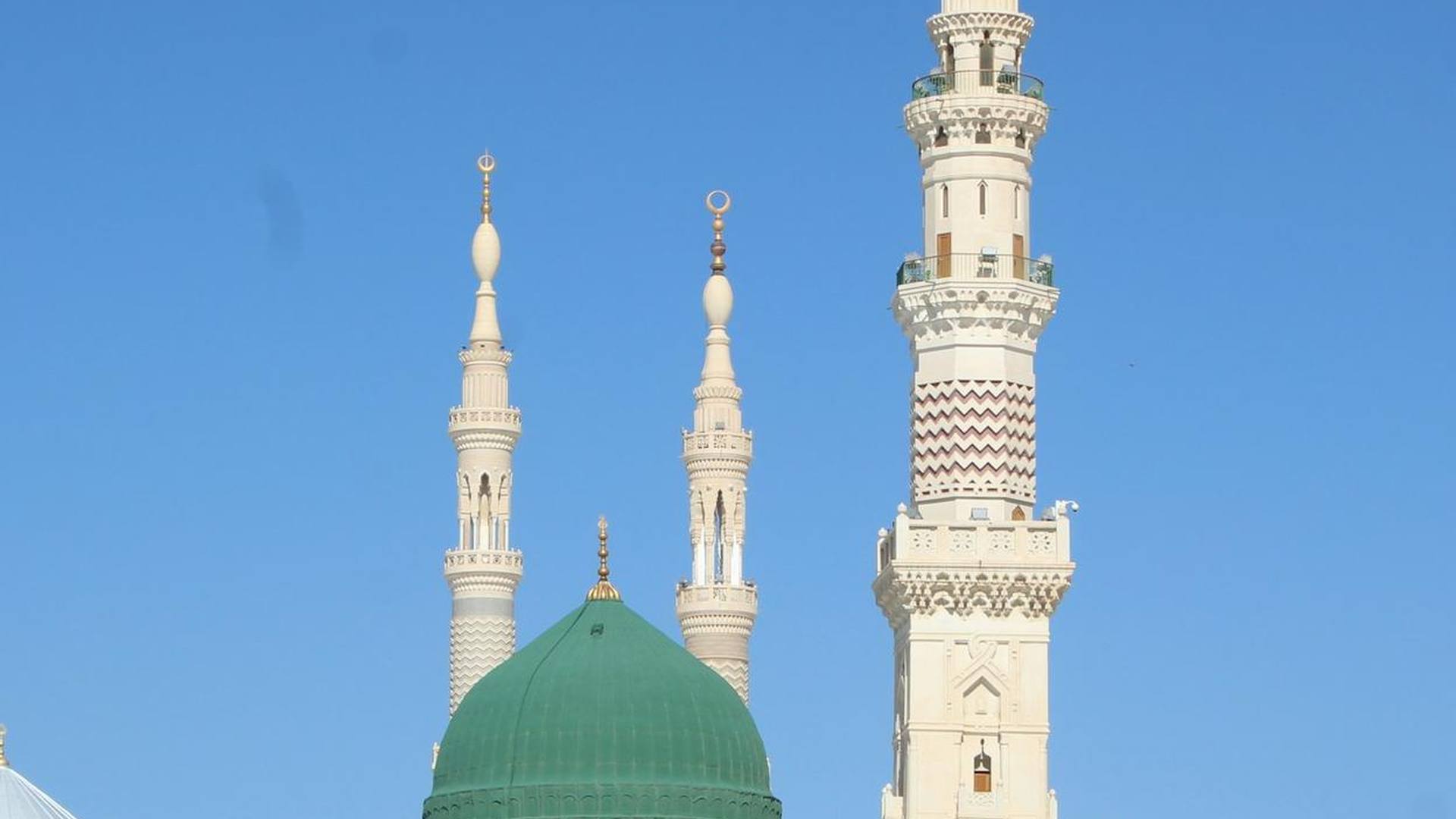
The virtue of Masjid an-Nabawi
The Prophet ﷺ said that one prayer in his mosque is better than a thousand prayers elsewhere, except in Masjid al-Haram (Sahih al-Bukhari, Sahih Muslim). So the best use of your days here is simple: pray as many of the five daily prayers as you can there, in congregation. Scholars differ over the authenticity of the narration in Musnad Ahmad about praying forty consecutive prayers there, so do not let it cause anxiety or change your travel plans.
Etiquette inside the mosque
- Enter with your right foot and say: اَللّٰهُمَّ افْتَحْ لِي أَبْوَابَ رَحْمَتِكَ — Allahumma-ftah li abwaba rahmatik, “O Allah, open for me the doors of Your mercy” (Sahih Muslim).
- If it is not a disliked time for prayer, offer two rak'ahs of Tahiyyat al-Masjid.
- Keep your voice low (scholars draw this adab from Qur'an 49:2), be patient in the crowds, and do not photograph or film people at prayer.
Sending salam to the Prophet ﷺ, Abu Bakr and Umar
The Prophet ﷺ rests in the former room of Sayyidah Aishah (رضی اللہ عنہا), in the south-eastern part of the mosque, with Abu Bakr al-Siddiq and Umar al-Faruq (رضی اللہ عنہما) beside him. Men usually join a supervised line that passes in front of the brass grille. The route and gates are managed by the mosque staff and change from time to time, so follow their directions.
Facing the Prophet ﷺ, greet him calmly: اَلسَّلَامُ عَلَيْكَ يَا رَسُولَ اللّٰهِ — As-salamu 'alayka ya Rasulallah, “Peace be upon you, O Messenger of Allah”, and send salawat upon him. A little further along, greet Abu Bakr — اَلسَّلَامُ عَلَيْكَ يَا أَبَا بَكْرٍ (As-salamu 'alayka ya Aba Bakr) — and then Umar — اَلسَّلَامُ عَلَيْكَ يَا عُمَرُ (As-salamu 'alayka ya 'Umar) — and pray for them.
- Stand with humility at a respectful distance. Classical scholars, including Hanafi scholars, advise against touching or kissing the grilles or rubbing them for blessing.
- Salam reaches him ﷺ from wherever it is sent. He ﷺ said: “Send blessings upon me, for your blessings reach me wherever you are” (Sunan Abi Dawud). If the line is too much for an elder, or women cannot reach this area at the time, send salam from your place in the mosque.
Riyadh ul-Jannah
The Prophet ﷺ said: “What is between my house and my minbar is a garden from the gardens of Paradise” (Sahih al-Bukhari, Sahih Muslim). In recent seasons, entry has needed a time slot booked in advance in the official Nusuk app, with separate slots for men and women and limits on how often one person may book. These rules change, so confirm the current procedure before you travel and book once your Madinah dates are fixed; your group leader can help with the app. Inside, pray calmly and give others their turn.
Jannat al-Baqi
This is the main cemetery of Madinah, beside the mosque, where many Companions rest, including Uthman ibn Affan (رضی اللہ عنہ), several of the Mothers of the Believers and members of the Prophet's ﷺ family. Entry is usually for men only, at set times (often after Fajr and Asr); women generally make dua from outside. The Sunnah greeting is:
اَلسَّلَامُ عَلَيْكُمْ أَهْلَ الدِّيَارِ مِنَ الْمُؤْمِنِينَ وَالْمُسْلِمِينَ، وَإِنَّا إِنْ شَاءَ اللّٰهُ لَلَاحِقُونَ، أَسْأَلُ اللّٰهَ لَنَا وَلَكُمُ الْعَافِيَةَ — As-salamu 'alaykum ahlad-diyari minal-mu'minina wal-muslimin, wa inna in sha' Allahu la-lahiqun, as'alullaha lana wa lakumul-'afiyah: “Peace be upon you, O dwellers of these abodes, believers and Muslims. We shall, if Allah wills, join you. I ask Allah for well-being for us and for you” (Sahih Muslim).
Masjid Quba
Quba, about 3–4 km south of Masjid an-Nabawi, was the first mosque built by the Prophet ﷺ after the Hijrah. He ﷺ used to visit it every Saturday, riding or walking (Sahih al-Bukhari, Sahih Muslim), and he said: “Whoever purifies himself in his house, then comes to the mosque of Quba and prays in it, will have a reward like that of an Umrah” (Sunan Ibn Majah, with a similar narration in Sunan an-Nasa'i; graded sahih by many scholars). So make wudu at your hotel and pray two rak'ahs there — a reward like that of an Umrah, not a replacement for one.
Uhud and Jabal al-Rumah
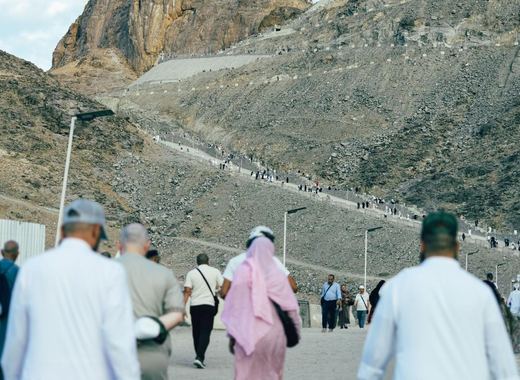
“Uhud is a mountain that loves us and we love it,” said the Prophet ﷺ (Sahih al-Bukhari, Sahih Muslim). At its foot lie the martyrs of Uhud (3 AH), among them his uncle Hamzah (رضی اللہ عنہ), Sayyid al-Shuhada, and Mus'ab ibn Umair (رضی اللہ عنہ); greet them with the same Sunnah words from outside the enclosure. Facing it is Jabal al-Rumah, where the Prophet ﷺ posted fifty archers and told them not to leave their position whatever happened (Sahih al-Bukhari). When many left it, the battle turned — a lasting lesson in obedience.
Other places on the ziyarat tour
- Masjid al-Qiblatayn: linked in well-known historical accounts with the change of the qiblah from Bayt al-Maqdis to the Kaaba (Qur'an 2:144). No special reward is narrated for praying here; it is a place to reflect.
- The Trench (Khandaq): dug in 5 AH across the open northern side of the city, on the advice of Salman al-Farisi (رضی اللہ عنہ) according to the well-known accounts of the Seerah. Small mosques known as the Sab'a Masajid have traditionally marked the area; there is no prescribed ritual of praying in each one.
- Date farms and the date market: taste Ajwa, Safawi and Sukkari. A hadith in Sahih al-Bukhari and Sahih Muslim mentions the virtue of eating seven Ajwa dates in the morning. Ask for sealed packing for the flight.
Practical tips
- Gates: the gates are numbered. Note yours and agree a meeting point with your family.
- Women: women have separate, signposted entrances, prayer sections and Riyadh ul-Jannah slots; staff at the women's gates will guide you.
- Shoes: carry a small cloth shoe bag; racks fill up at prayer times.
- Heat: summers are very hot, often above 40°C. Do outdoor ziyarat early in the morning or after Asr, with water and an umbrella. Winter nights can be chilly.
- Elders: wheelchairs are available in and around the mosque, though arrangements vary; choose quieter times for salam.
- What to avoid: taking soil or stones, tying threads, leaving written requests, or other practices with no basis in the Sunnah. If unsure, ask a trusted scholar.
Umrah with Ateeq can plan your nights in Madinah alongside Makkah and arrange ziyarat transport by sharing bus or private car, and our tour leaders guide pilgrims in Urdu and English. See our current Umrah packages, or contact us with any questions about your days in Madinah.
Related Posts
Leave a comment
Your email address will not be published. Required fields are marked *